Key factors when setting up an AV system for live events
Author: Clarity Team
Published: 5/3/2026
Reading time: 10 min
Table of Contents
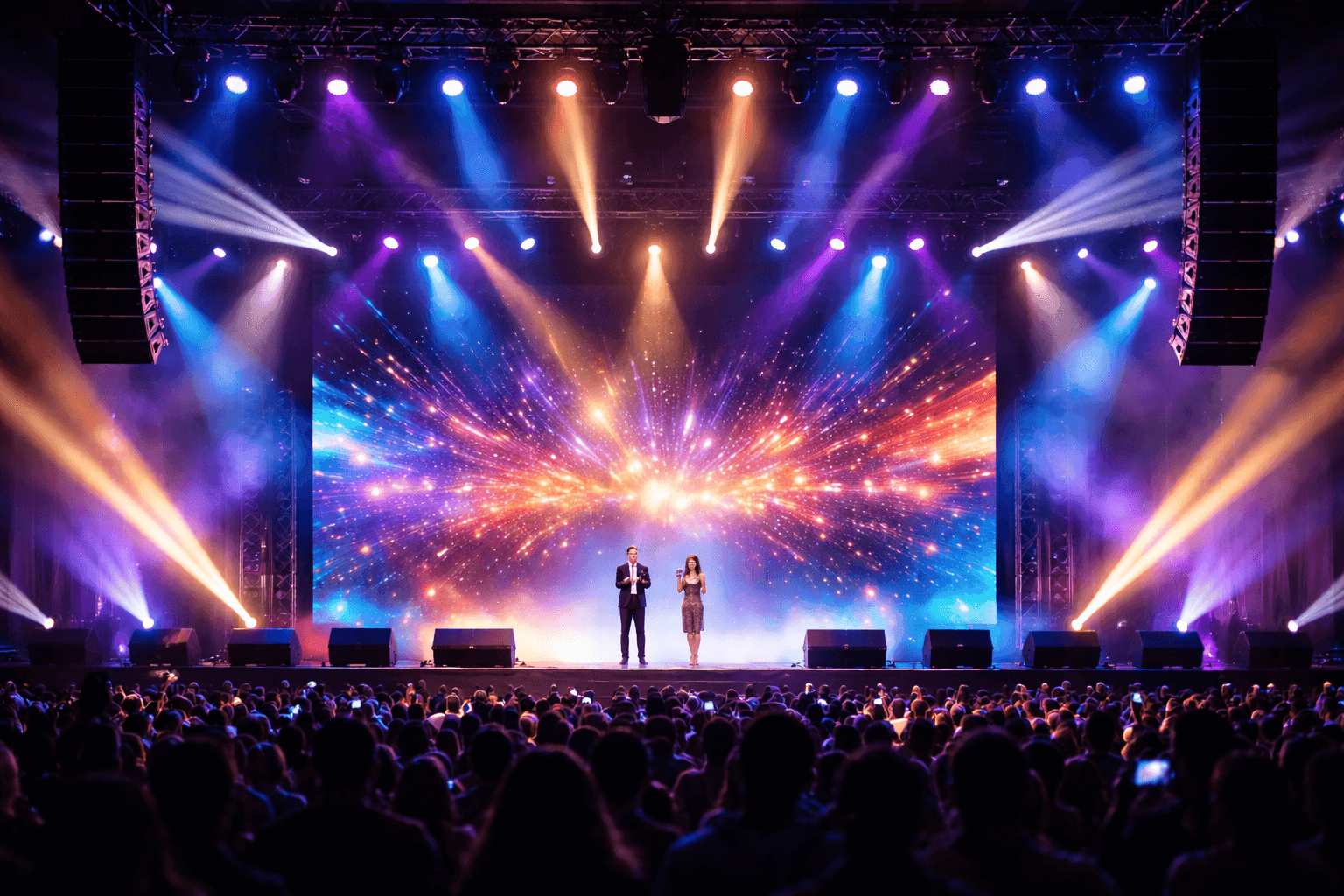
Factor 1: Evaluating the event venue – The foundation for every technical decisionFactor 2: Choosing the right equipment – Ensuring event qualityFactor 3: AV system layout design – The backbone of a stable systemFactor 4: Testing and system rehearsal – The final step before going liveConclusionIn the live event industry, the quality of an audio-visual (AV) system does not depend solely on the equipment being used. More importantly, it relies on the system design mindset and the setup process from the very beginning. In practice, most issues that occur during live events are not caused by faulty equipment, but rather by incomplete venue assessment, improper equipment placement, or insufficient system testing.
Because live events offer no opportunity for a second take, every deployment requires careful preparation, precise calculations, and strict adherence to technical standards. Based on extensive field experience, our AV specialists have identified four fundamental factors that play a decisive role in ensuring stability and performance in any live event AV system.
Factor 1: Evaluating the event venue – The foundation for every technical decision
Before installing any equipment, the first and most critical step is conducting a comprehensive assessment of the event venue. The characteristics of the space directly affect acoustic behavior, sound coverage, and visual display performance.
Key elements that must be analyzed include:
- Venue type (indoor, outdoor, or semi-open)
- The purpose of the live event
- Floor area, ceiling height, and surface materials (concrete, glass, metal, fabric)
- Audience capacity and positioning (seated or moving)
- Stage structure and potential obstructions within the performance area
- …

Each of these factors influences sound reflections, resonance, and signal attenuation. Failure to properly evaluate the acoustic characteristics of a venue often results in poor speech intelligibility, echo, or microphone feedback.
In live event production, the goal is not to produce the loudest sound, but rather to deliver clear, evenly distributed audio that is intelligible from every audience position. Therefore, the technical approach should focus on controlling coverage and directing sound, rather than simply increasing system power.
Factor 2: Choosing the right equipment – Ensuring event quality
Another critical step in live event production is selecting the appropriate equipment configuration based on the event’s technical requirements, operational conditions, and available budget.
Typical equipment used in live events includes: Loudspeaker systems, microphones, mixers, LED displays, projectors, cables, stage lighting systems,…
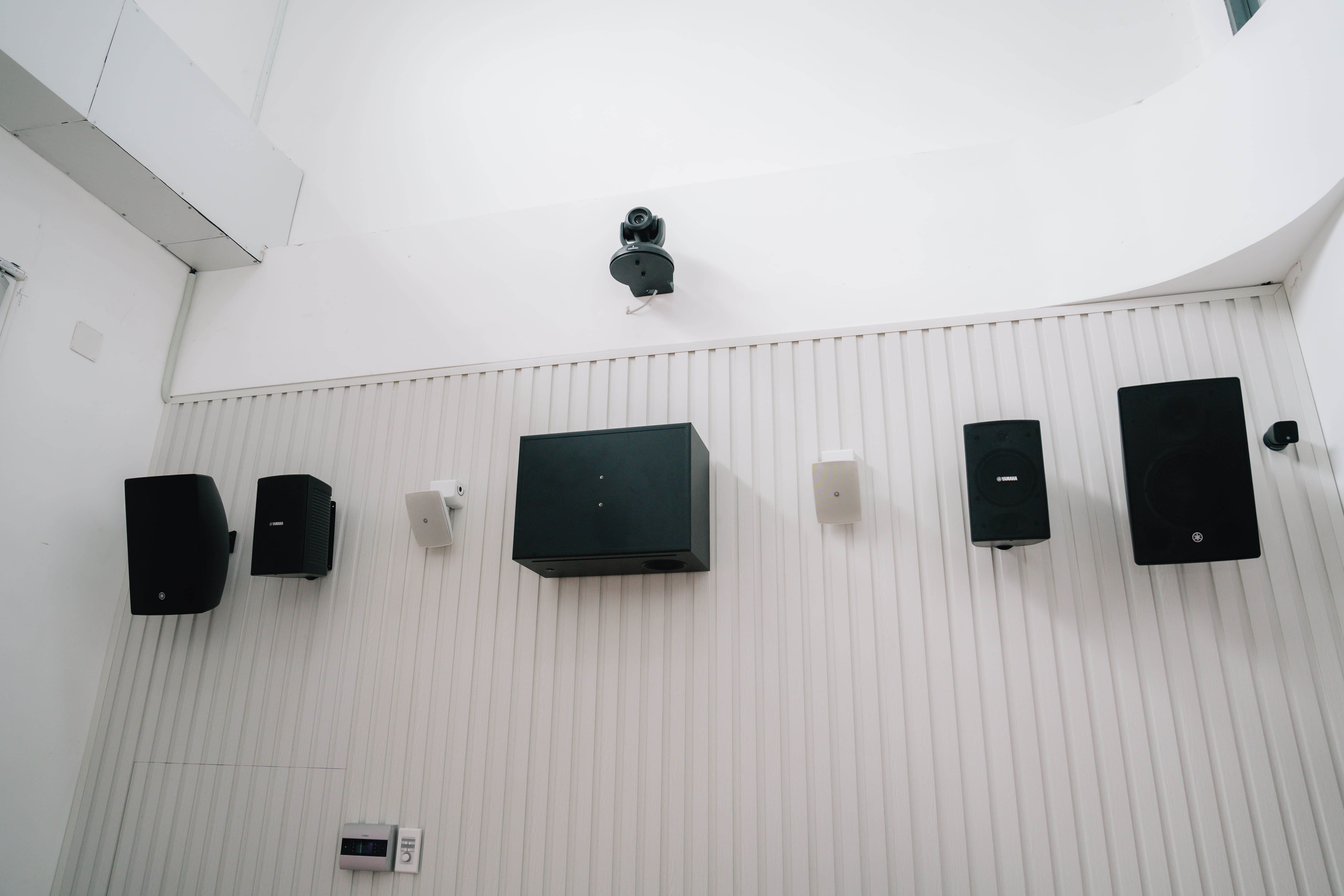
An effective AV configuration must balance performance, reliability, and scalability. With years of experience in the AV industry, Zodiac Clarity specializes in designing system configurations tailored to the technical requirements of each project rather than applying a one-size-fits-all approach. We provide authentic AV products and integrated solutions from globally recognized brands, ensuring technical standards, operational reliability, and long-term system performance.
>> Purchase genuine AV equipment at our online store: AVCENTER
Factor 3: AV system layout design – The backbone of a stable system
Once the appropriate equipment has been selected, the next step is to design and deploy the AV system layout within the physical environment. This stage transforms planning into implementation, where decisions regarding placement and installation directly impact sound quality, visual clarity, and system stability.
AV layout design is not simply about placing equipment where space is available. Instead, it involves calculating sound coverage, viewing angles, signal routing, and operational safety.
1. Audio system placement – Managing interaction between devices
Speaker placement
Speakers should be positioned according to sound coverage principles to minimize reflections and avoid feedback interactions with microphones. Key technical considerations include:
- Direct speakers toward the audience to optimize coverage
- Position speakers above ear level to avoid physical obstructions
- Avoid aiming speakers toward reflective surfaces such as glass walls or low ceilings
Improper speaker placement is one of the most common causes of audio feedback and uncontrolled sound behavior. In many cases, fewer speakers placed correctly deliver better results than a larger system deployed without proper planning.
Microphone and source control
Microphones are the most sensitive components in a live sound system. The distance between the microphone and sound source, its orientation relative to speakers, and how performers handle it all influence system stability.
Proper gain staging is essential:
- Input gain should be strong enough to maintain a good signal-to-noise ratio
- Avoid excessive gain that may introduce distortion or feedback
Microphone control is not purely technical - it must also align with the performance scenario and performer movement on stage.
Mixer placement
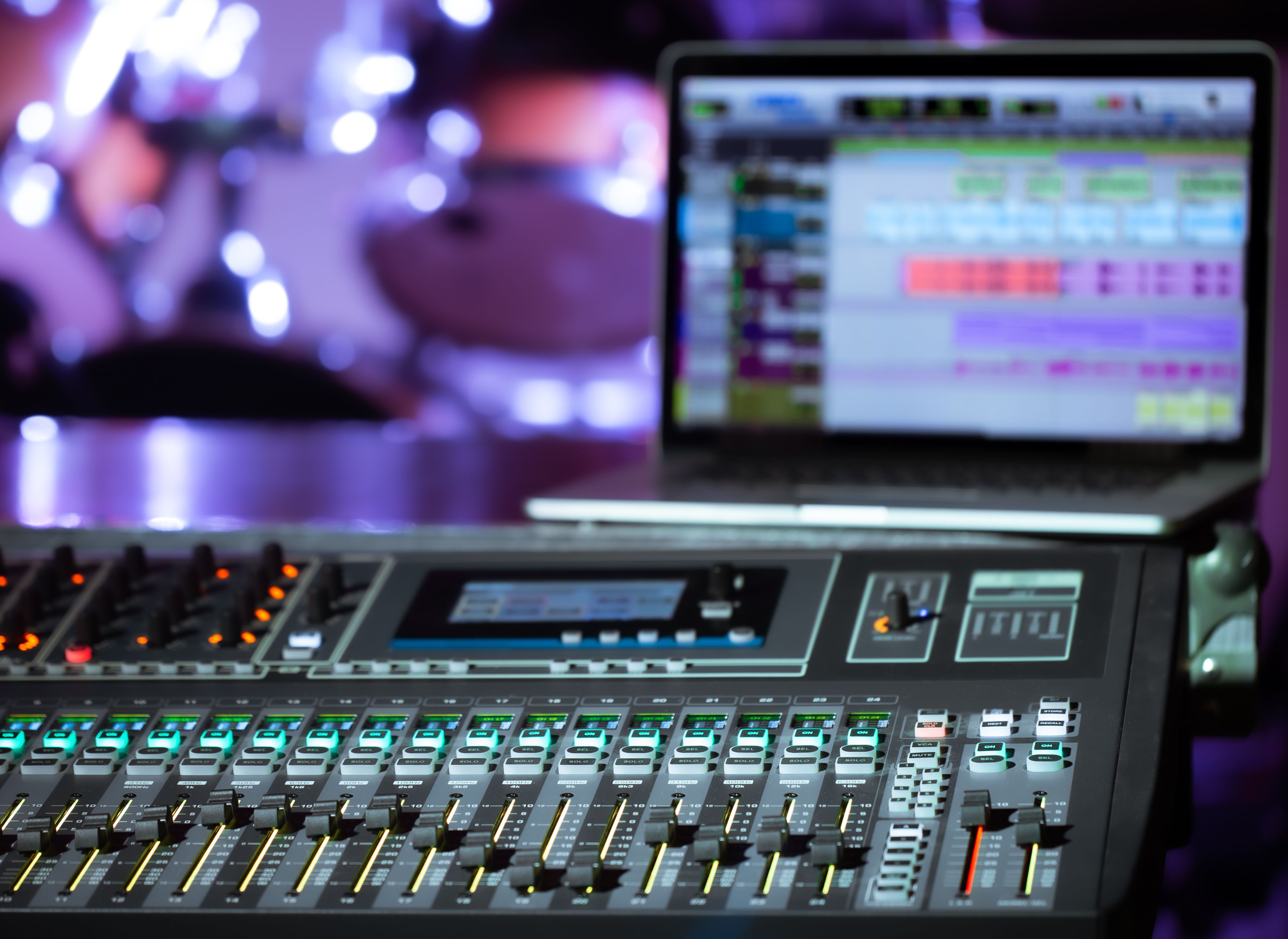
The mixing console should be positioned where the engineer can hear the sound as the audience experiences it.
The ideal location is:
- Within the main sound coverage zone
- Directly facing the stage
- Away from strong reflective surfaces
If the ideal location is unavailable, monitoring solutions such as reference speakers or monitoring systems should be implemented to ensure accurate audio adjustments.
In addition, the signal cabling and power distribution infrastructure must be organized systematically, with clear separation between audio, video, and electrical power lines to ensure operational safety and minimize potential risks during the event.
The cabling system should follow several key principles:
- Separate audio signal paths from high-power electrical lines to prevent electromagnetic interference.
- Use balanced connections (XLR/TRS) for long signal runs to maintain signal integrity and reduce noise.
- Manage and secure cable routing properly, keeping cables neatly arranged and protected to avoid tension, damage, or placement across walkways where they may create safety hazards or disrupt signal transmission.
2. Visual system design – Optimizing viewing angles and clarity
In modern live events, visual systems are just as critical as audio systems. The placement of LED displays, projectors, and cameras must be carefully designed based on several key factors.
LED display placement and size
- Screen size must correspond with the maximum viewing distance
- Pixel pitch should be selected according to audience viewing distance
- LED displays should align with the primary audience sightline
- The screen should be positioned to avoid blocking performers while remaining visible from all seating areas
Brightness and resolution alone do not determine display quality. The key lies in selecting the appropriate pixel density and viewing distance for the event scale.
Projector and projection screen placement
For projection systems:
- Throw ratio must be calculated to determine projector placement
- Avoid interference with stage lighting
- Ensure no objects obstruct the projection path
Environmental lighting must also be considered, especially in outdoor events or venues with strong ambient lighting.
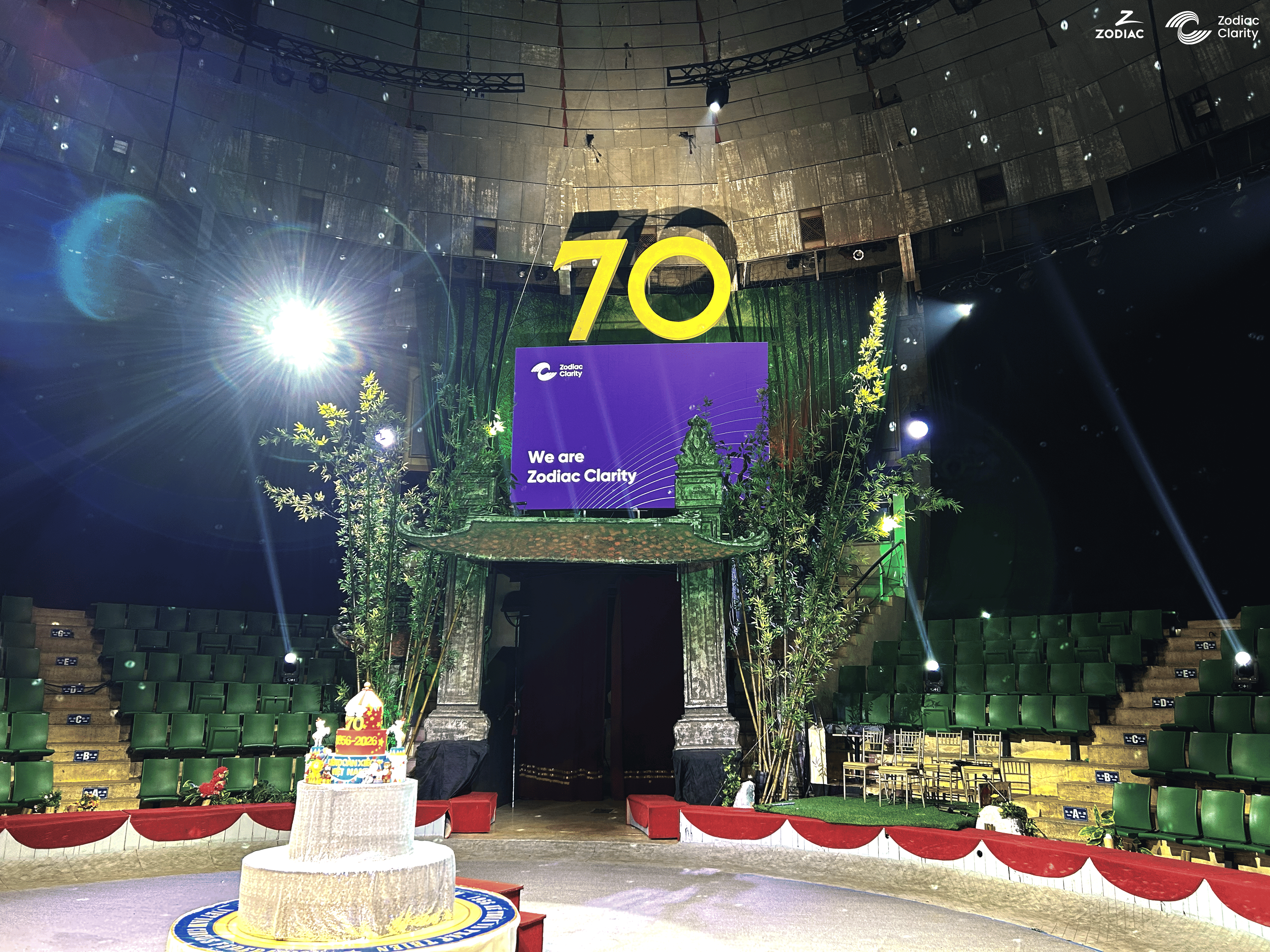
Lighting system – Managing layers and visual depth
Lighting is another essential component in live event production. Typical lighting layers include:
- Front light – main illumination for performers
- Back light – adds depth and separation
- Fill light – balances shadows
- Effect lighting – dynamic visual effects
In addition to establishing proper lighting layers and positioning equipment according to the technical layout, the on-site deployment process should consider several key factors to ensure both visual effectiveness and overall system stability:
- Prioritize highlighting the stage focal point, ensuring that areas where the MC, speakers, or performers are located are clearly and consistently illuminated.
- Evaluate lighting from multiple viewing angles to identify potential issues such as under-lit areas, overly harsh lighting, or glare that may affect visual quality.
- Balance the intensity between stage lighting and LED displays to maintain visual harmony and avoid overpowering the on-screen content.
- Control beam direction and prevent light spill or overlap, helping preserve lighting depth and ensuring a clean, well-defined stage presentation.
Camera systems and signal transmission
Camera placement must ensure:
- Wide coverage and flexible zoom capability
- Stable signal transmission
- Proper synchronization with the display system to avoid audio-video delay
For events involving livestreaming or recording, maintaining stable video signal transmission and synchronization with audio is critical.
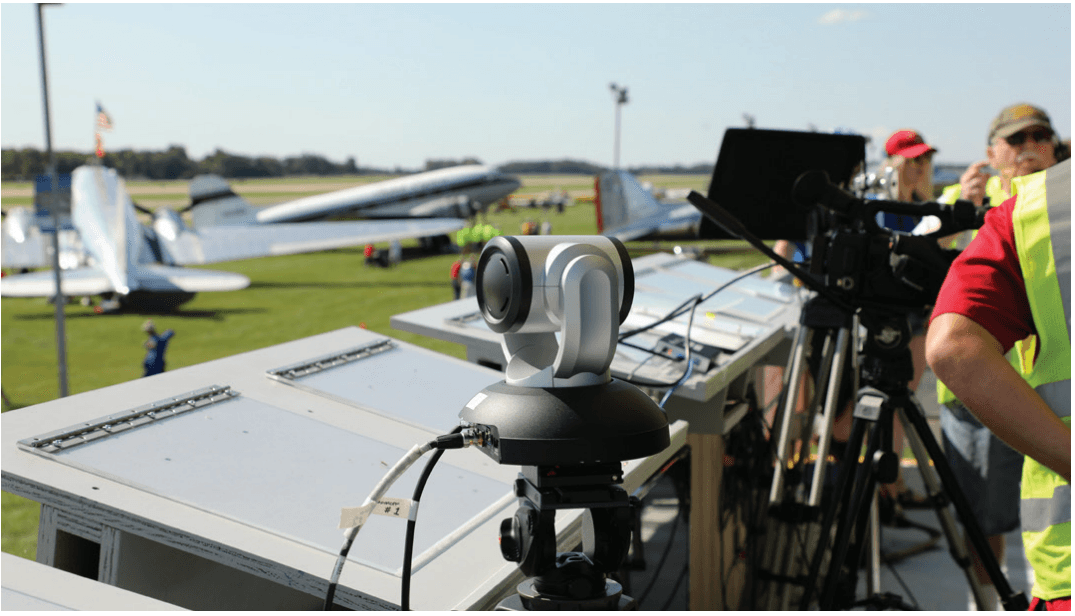
A live event AV system can only operate reliably when the signal infrastructure and power distribution are properly designed.
This includes:
- Separating audio signal paths from high-power electrical lines
- Using balanced cables for long signal runs
- Organizing cabling to ensure safety and accessibility
- Implementing redundancy for critical system components
A properly designed infrastructure not only ensures operational stability but also simplifies monitoring, maintenance, and troubleshooting when necessary.
Factor 4: Testing and system rehearsal – The final step before going live
Once installation and configuration are complete, system testing and rehearsal become the final critical step before the event begins. This process involves reviewing the entire AV signal chain - from input sources and signal processors to speakers, displays, cameras, and control systems.
Testing must confirm that all components operate in synchronization, with no noise, distortion, latency, or signal interruption. Parameters such as audio gain levels, tonal balance, screen brightness, and color calibration should be adjusted according to the actual venue conditions.
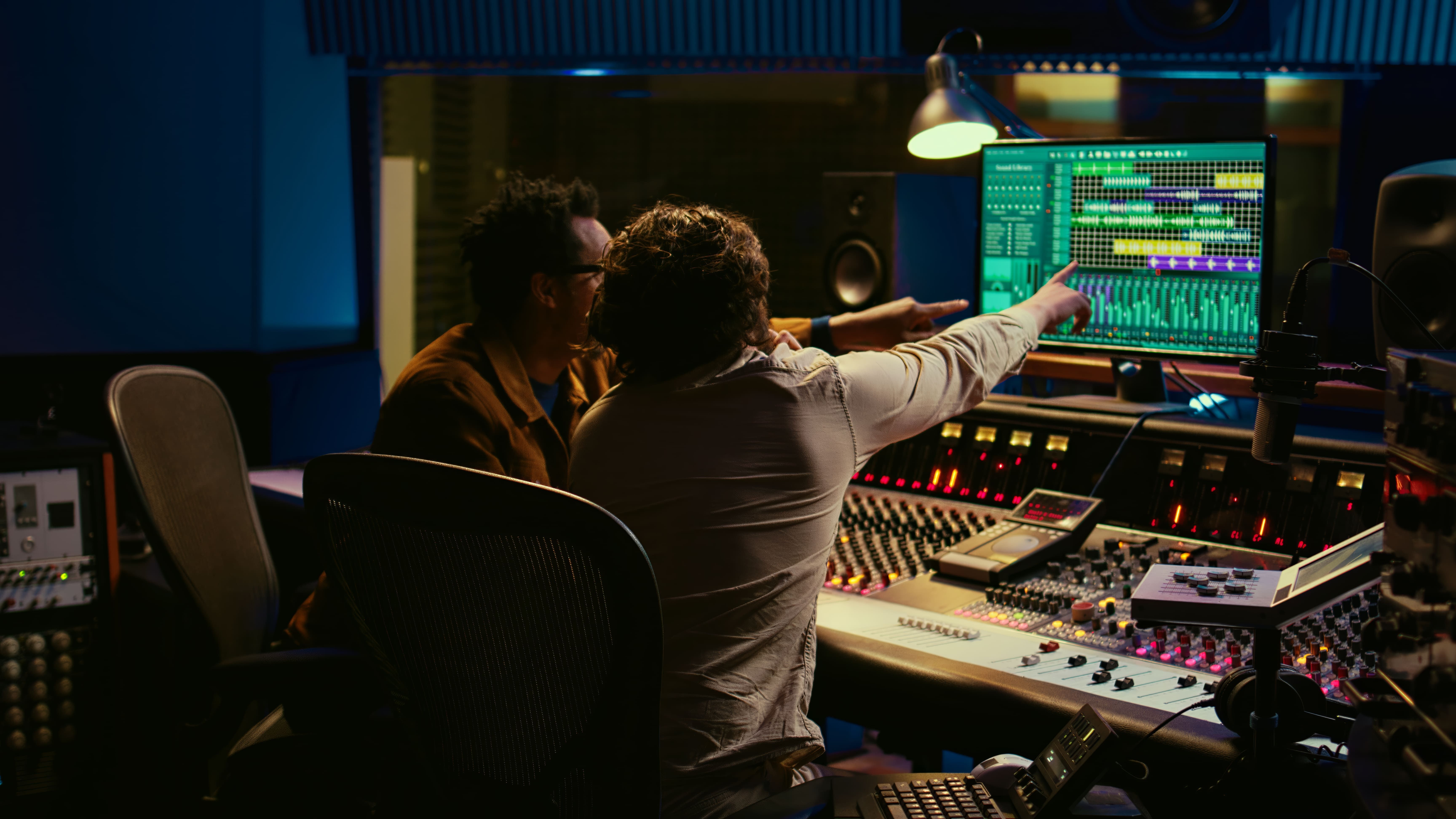
Running a full system test under conditions that closely replicate the actual event—including the use of microphones, presentation content, and scene transition cues—allows technicians to accurately evaluate the system’s performance and responsiveness. This stage also serves to verify backup plans and contingency measures, ensuring that the event can proceed without disruption should unexpected situations arise.
A thorough and well-structured testing process not only minimizes technical risks but also reflects a high level of professionalism in event planning and execution. In live events, the stability and reliability of the AV system are critical factors that directly influence the audience experience and the reputation of the event organizer.
Conclusion
Setting up an AV system for live events requires systematic thinking, a deep understanding of audio-visual technology, and practical field experience. Even the most advanced equipment can only perform effectively when deployed on the foundation of proper venue assessment, thoughtful system design, and rigorous testing.
The four factors - venue evaluation, equipment selection, system layout design, and thorough testing - are not isolated steps but interconnected components of a complete technical workflow. Following these principles ensures that live events are delivered smoothly, professionally, and with the highest technical quality.
Zodiac Clarity – Your trusted partner for professional AV solutions. Contact our team of specialists for consultation and system design.
Hotline: 093 610 2556 (North) | 090 219 6091 (South)
Share article